
Cocoa powder plays an important role in the food and beverage industry. Manufacturers use it to create chocolate drinks, biscuits, cakes, cookies, desserts, ice cream, and many other products. However, producing high-quality cocoa powder requires careful processing from cocoa beans to the final powder.
Indonesia has an established cocoa industry that supplies cocoa ingredients to domestic and international markets. As a result, businesses looking for cocoa powder Indonesia can find opportunities to source cocoa ingredients directly from Indonesian suppliers and manufacturers.
Understanding the cocoa powder manufacturing process also helps buyers choose the right cocoa product for their applications.
What Is the Cocoa Powder Manufacturing Process?
The cocoa powder manufacturing process transforms fermented and dried cocoa beans into a fine cocoa ingredient. The process involves several stages, including cleaning, roasting, winnowing, grinding, cocoa liquor production, pressing, and milling.
Manufacturers may also apply alkalization when they need a darker color or a different flavor profile. Therefore, the production process can vary depending on the desired characteristics of the final cocoa powder.
According to the International Cocoa Organization, cocoa processing includes several key stages from bean preparation through cocoa liquor production, pressing, and cocoa powder milling.
1. Selecting Quality Cocoa Beans
Every cocoa powder product starts with suitable cocoa beans.
First, the manufacturer selects cocoa beans according to their origin, physical condition, moisture level, and quality requirements. Proper bean selection creates a strong foundation for the final product.
The origin also matters because cocoa beans from different growing regions can develop different flavor characteristics.
For buyers searching for Indonesia origin cocoa powder, Indonesian cocoa provides an opportunity to source cocoa ingredients from Southeast Asia.
2. Cocoa Fermentation
After harvesting, farmers ferment the cocoa beans. This stage plays an important role in developing cocoa flavor.
During fermentation, natural biochemical reactions change the composition of the beans. These reactions help create the flavor precursors that later develop during roasting.
The International Cocoa Organization explains that chocolate flavor develops through both fermentation at the farm level and roasting during factory processing.
Therefore, proper fermentation remains an important part of producing quality cocoa.
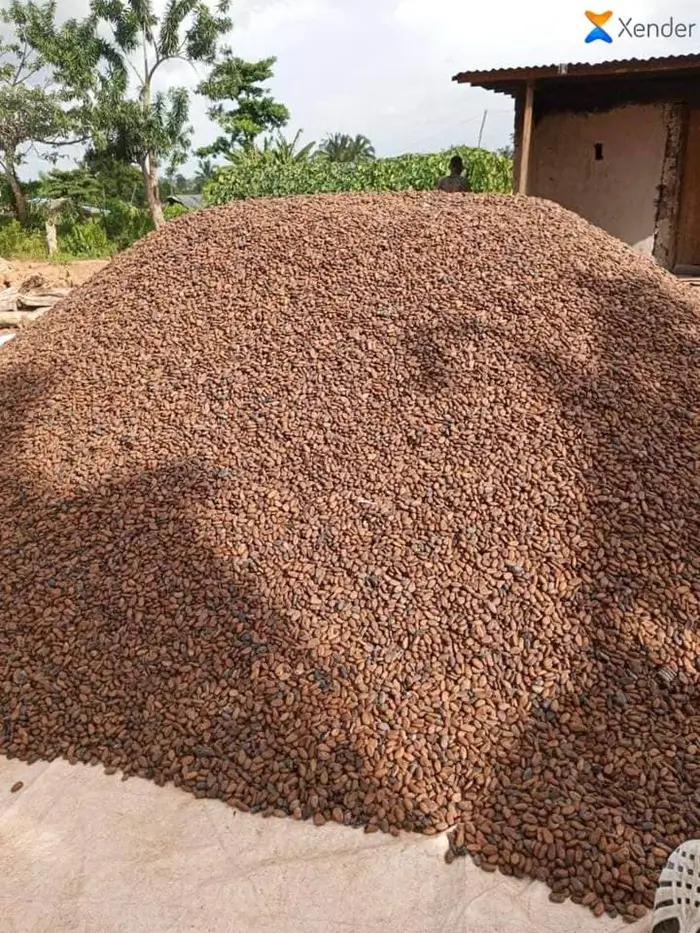
3. Drying the Cocoa Beans
After fermentation, producers dry the cocoa beans to reduce moisture.
Proper drying helps prepare the beans for storage, transportation, and further processing. It also supports product quality by reducing conditions that could affect the beans during storage.
Once the beans reach the required condition, they can move to the cocoa processing facility.
4. Cleaning and Preparing the Beans
The cocoa powder factory begins its processing operation by cleaning the cocoa beans.
Manufacturers remove unwanted materials and inspect the beans before roasting. This step helps protect product quality throughout the following stages.
Next, the manufacturer prepares the beans for roasting.
5. Roasting Cocoa Beans
Roasting develops the aroma, flavor, and color of cocoa.
Manufacturers control the roasting conditions according to the desired cocoa profile. Different roasting approaches can produce different flavor characteristics.
For this reason, roasting requires careful control. The manufacturer must balance flavor development with the requirements of the final cocoa product.
6. Winnowing and Cocoa Nibs
After roasting, manufacturers crack the cocoa beans and separate the shells from the cocoa nibs. This process is known as winnowing.
The nibs contain the valuable cocoa components that manufacturers need for further processing.
Consequently, proper shell separation helps prepare clean cocoa nibs for grinding.
7. Grinding Cocoa Nibs into Cocoa Liquor
The manufacturer then grinds the cocoa nibs.
Grinding releases the natural cocoa fat and transforms the nibs into a smooth, thick material called cocoa liquor or cocoa mass.
Despite its name, cocoa liquor does not contain alcohol. It represents the ground cocoa mass produced from cocoa nibs.
Cocoa liquor can serve as a base for several cocoa products, including cocoa powder and chocolate ingredients.
8. Separating Cocoa Butter from Cocoa Solids
Next, the manufacturer presses the cocoa liquor to separate the cocoa butter from the cocoa solids.
This stage produces two important cocoa ingredients:
Cocoa Butter
Cocoa butter is the natural fat obtained from cocoa liquor. Chocolate and confectionery manufacturers use it to develop texture, mouthfeel, and other product characteristics.
Cocoa Cake
The remaining cocoa solids form cocoa cake. Manufacturers use this material as the primary raw material for cocoa powder.
This stage creates an efficient cocoa processing chain because one cocoa liquor stream can provide multiple valuable cocoa ingredients.
9. Cocoa Cake Milling
After pressing, the manufacturer cools and processes the cocoa cake before milling it into fine powder.
The milling process creates the texture and particle size required for the final product. Manufacturers can adjust the production process according to the intended application.
The International Cocoa Organization notes that manufacturers mill pressed cocoa cake to achieve particle sizes suitable for the end use.
At this stage, the product becomes cocoa powder.
10. Producing Natural Cocoa Powder
Manufacturers can produce natural cocoa powder without an alkalization process.
Natural cocoa powder retains the natural acidic characteristics of cocoa. It also provides a distinctive cocoa aroma and flavor.
Food manufacturers commonly use natural cocoa powder in:
- Cakes
- Brownies
- Cookies
- Bakery products
- Chocolate beverages
- Desserts
- Confectionery
Therefore, natural cocoa powder works well for formulations that require a traditional cocoa profile.
11. Producing Alkalized Cocoa Powder
Some manufacturers choose to add an alkalization stage.
Alkalized cocoa powder undergoes treatment with an alkaline solution. This process can modify the cocoa’s acidity, color, and flavor.
The International Cocoa Organization describes alkalization, also known as Dutch processing, as an optional process that can modify the flavor and color of cocoa liquor and cocoa powder.
Depending on the processing conditions, alkalization can produce cocoa powder with colors ranging from lighter shades to very dark tones.
As a result, manufacturers often use alkalized cocoa powder for chocolate beverages, biscuits, bakery products, cakes, ice cream, and other applications.
12. Producing Black Cocoa Powder
Manufacturers can apply stronger alkalization to produce very dark cocoa powder.
Black cocoa powder provides an intense dark appearance and a distinctive cocoa profile. Food manufacturers commonly use it for dark cookies, biscuits, cakes, and specialty bakery products.
For example, manufacturers can use black cocoa powder when the final product needs a deep chocolate color.
However, the appropriate cocoa powder depends on the formulation. Therefore, buyers should discuss the required color, flavor, pH, and application with their cocoa powder supplier.
Cocoa Powder Quality Control
A reliable cocoa powder manufacturer needs strong quality control throughout the production process.
Quality control starts with cocoa bean selection and continues through fermentation, roasting, grinding, pressing, milling, and packaging.
Manufacturers can evaluate important product characteristics such as:
- Color
- Aroma
- Cocoa flavor
- Moisture
- pH
- Fat content
- Particle size
- Product consistency
These characteristics can influence the performance of cocoa powder in food and beverage formulations.
Consequently, buyers should evaluate both product specifications and supplier capabilities before placing a large order.
Why Processing Matters for Cocoa Taste
The final cocoa taste depends on several factors.
Cocoa origin provides the starting flavor profile. Fermentation then develops important flavor precursors. After that, roasting develops aroma and flavor. Finally, processing conditions influence the characteristics of the finished cocoa powder.
Because of this relationship, manufacturers need to control the entire cocoa process rather than focusing only on the final milling stage.
A well-managed process can help produce cocoa powder with consistent flavor, aroma, and color.
Cocoa Powder Applications
Cocoa powder works as a versatile cocoa ingredient for many industries.
Food manufacturers use it in:
Bakery
Cocoa powder provides chocolate flavor and color for cakes, brownies, pastries, and cookies.
Chocolate Beverages
Manufacturers use cocoa powder in hot chocolate, instant chocolate drinks, milk-based beverages, and other powdered drink formulations.
Confectionery
Cocoa powder supports the production of chocolate-based confectionery, fillings, toppings, and desserts.
Ice Cream
Manufacturers use cocoa powder to create chocolate ice cream and other frozen dessert products.
Biscuits and Cookies
Natural, alkalized, and dark cocoa powders can provide different colors and flavor profiles for biscuit and cookie formulations.
Choosing a Cocoa Powder Manufacturer
Choosing the right cocoa powder supplier requires careful consideration.
First, check the manufacturer’s product range. A supplier that offers natural, alkalized, and specialty cocoa powders can provide more flexibility.
Next, review the product specifications. Important parameters include color, pH, fat content, moisture, particle size, and flavor.
In addition, consider the supplier’s production capacity, packaging options, quality control, and export capabilities.
Finally, discuss your intended application with the supplier. A professional supplier can help you select a cocoa powder that fits your formulation.
Cocoa Powder Supplier from Indonesia
Indonesia continues to develop its cocoa processing industry and its position in the international cocoa market.
For international buyers, sourcing from an Indonesian cocoa powder supplier can provide access to cocoa products from a major Southeast Asian origin.
Artha Cocoa and Rayya Cocoa serve buyers looking for Indonesian cocoa ingredients for food, beverage, bakery, confectionery, and industrial applications.
Our product range can include different cocoa powder profiles according to customer requirements.
Cocoa Powder Exporter for Global Markets
International buyers need more than a quality product. They also need a supplier that can support export requirements.
A professional cocoa powder exporter should understand product specifications, packaging, documentation, logistics, and international shipping requirements.
Artha Cocoa and Rayya Cocoa aim to support international customers who want to source cocoa products from Indonesia.
Whether you need natural cocoa powder, alkalized cocoa powder, black cocoa powder, cocoa liquor, or cocoa butter, our team can discuss your requirements and provide suitable cocoa solutions.
From Indonesian Cocoa Beans to Global Cocoa Products
The journey from cocoa bean to cocoa powder involves several carefully controlled stages.
Farmers begin with cocoa cultivation, harvesting, fermentation, and drying. Next, cocoa processors clean and roast the beans before separating the cocoa nibs.
The manufacturer then grinds the nibs into cocoa liquor and presses the liquor to separate cocoa butter from cocoa solids. Finally, the manufacturer mills the cocoa cake into cocoa powder.
This complete process creates valuable cocoa ingredients for food manufacturers around the world.
As demand for cocoa ingredients continues to grow, Indonesian cocoa processors have an opportunity to serve international markets with high-quality cocoa products.
Source Cocoa Powder from Indonesia
Understanding the cocoa powder manufacturing process helps buyers make better sourcing decisions.
Natural cocoa powder, alkalized cocoa powder, and black cocoa powder each offer different characteristics. Therefore, buyers should match the product specification with their application and formulation.
For businesses looking for a cocoa powder manufacturer, cocoa powder supplier, or cocoa powder exporter in Indonesia, Artha Cocoa and Rayya Cocoa provide a direct connection to Indonesian cocoa ingredients.
Contact Artha Cocoa and Rayya Cocoa to discuss your cocoa powder requirements, product specifications, packaging, order quantity, and export destination.